No todos los sujetadores de gelatina son iguales: lo que debes saber antes de comprar o diseñar uno.
Apr 25, 2026
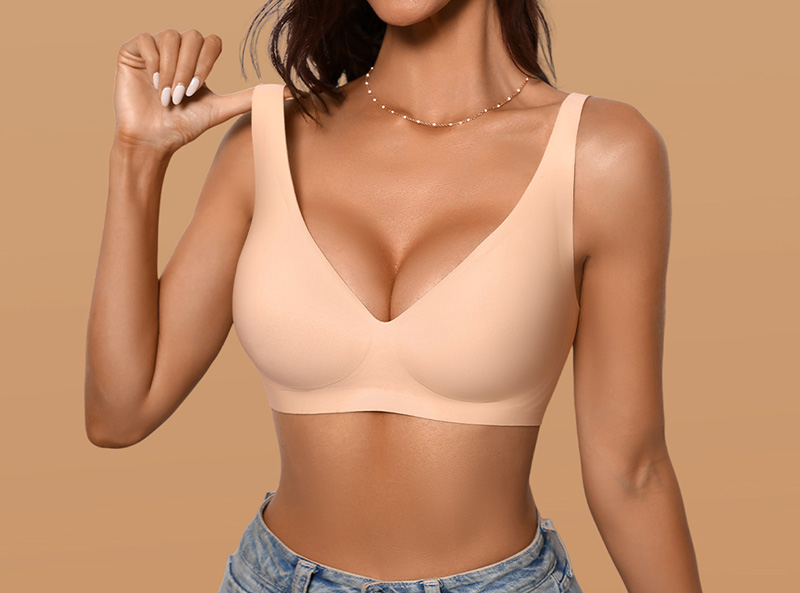
Como Sujetadores de gelatina A medida que la lencería sigue ganando terreno en las colecciones modernas, más marcas entran en esta categoría, a menudo con afirmaciones similares:Suave, sin costuras, con buen soporte, invisible.Pero una vez que estos productos llegan a los consumidores reales, comienza a surgir un patrón.Algunos funcionan exactamente como se espera, ofreciendo un equilibrio excepcional entre comodidad y sujeción.Sin embargo, muchos otros no tardan en quedarse cortos. Al tacto resultan agradables, pero se desgastan rápidamente.En las fotos se ven elegantes, pero carecen de estabilidad en movimiento.La cuestión no es si los sujetadores de gelatina funcionan.La verdadera pregunta es: ¿Por qué tantos de ellos no lo hacen? La ilusión de la uniformidadA simple vista, la mayoría de los sujetadores de gelatina parecen prácticamente idénticos.Comparten:vasos moldeadossuperficies lisasInteriores suaves al tacto Desde la perspectiva del abastecimiento, esto crea una suposición peligrosa:Si tienen el mismo aspecto, deben rendir igual. En realidad, los sujetadores tipo gelatina no se definen por su apariencia, sino por lo que sucede bajo la superficie: en cómo gestionan la fuerza, el movimiento y la recuperación.Y aquí es donde la mayoría de los productos empiezan a fallar. Dónde fallan las cosas: no en lo material, sino en la estructura.Una idea errónea común es que los sujetadores de gelatina se basan simplemente en el uso de un material "mejor" o "más suave".Pero la suavidad por sí sola no crea apoyo.En muchos productos de menor calidad, la gelatina se trata como un complemento: una capa insertada en la confección estándar de un sujetador sin aros. El resultado es predecible:El sujetador es suave al tacto, pero se comporta como cualquier otro modelo de sujeción ligera. Lo que falta no es el material en sí, sino el La lógica estructural que hay detrás.Los sujetadores tipo gelatina bien diseñados se conciben como sistemas, no como conjuntos aislados.Distribuyen la fuerza por toda la prenda —a través de la base de la copa, las alas laterales y la espalda— en lugar de depender de una sola zona para soportar la carga.Cuando esta distribución está ausente, el producto pierde estabilidad, por muy blando o avanzado que parezca el material. El papel oculto del comportamiento elásticoOtra diferencia, menos visible pero igualmente crucial, reside en cómo responde el material bajo presión.Las estructuras gelatinosas de alta calidad se comportan de forma dinámica.Permanecen suaves al contacto ligero, pero ofrecen una resistencia creciente a medida que aumenta la carga.Esta respuesta adaptativa es lo que permite que un sujetador resulte cómodo en reposo, pero a la vez ofrezca sujeción en movimiento. Por el contrario, muchas versiones de menor calidad se comportan de forma más lineal: se comprimen fácilmente, pero no se recuperan ni responden eficazmente a medida que aumenta el movimiento.Por eso, algunos productos parecen prometedores en el probador, pero fallan tras un uso prolongado.No están diseñados para responder, sino solo para comprimir. Integración vs. AdhesiónUna de las diferencias más ignoradas en los sujetadores tipo gelatina es cómo se incorpora la estructura al producto.En los diseños de gama alta, el soporte de gelatina está integrado en la propia forma moldeada. Se convierte en parte de la geometría, determinando cómo se transmite la fuerza a través del sujetador.En las versiones de menor coste, el gel suele añadirse posteriormente: se inserta, se pega o se aplica en capas sobre la espuma. Esta distinción puede parecer sutil, pero su impacto es significativo.Una estructura integrada permite un flujo de tensión continuo a través de la superficie.Una capa adjunta interrumpe ese flujo.Con el tiempo, esto conduce a:inestabilidad en la formaciónseparación entre capasrendimiento inconsistente Lo que parece ser la misma característica es, en la práctica, un sistema completamente diferente. ¿Por qué la durabilidad falla tan rápidamente?Otra queja común sobre los sujetadores de gelatina de menor calidad es que no duran.La sensación inicial puede ser aceptable, pero después de un uso repetido o lavados, la estructura cambia:El apoyo se debilitaLa forma se suavizaEl ajuste se vuelve menos fiable Esto suele atribuirse a la "calidad del material", pero el problema es más complejo.La durabilidad de los sujetadores de gelatina depende de:qué tan bien se recupera el material después de la deformacióncuán estables son la unión y la construccióncómo se distribuye uniformemente la tensión durante el uso Si alguna parte de este sistema se ve comprometida, la degradación se acelera.Lo que falla no es solo el material, sino también el relación entre material y estructura. La verdadera brecha entre productosDesde una perspectiva comercial, la conclusión más importante es la siguiente:La diferencia entre los sujetadores de gelatina no es visible, pero sí es absolutamente medible en cuanto a su rendimiento. Dos productos pueden parecer idénticos, compartir especificaciones similares e incluso utilizar una terminología parecida.Pero su comportamiento en el uso real —en cuanto a elevación, estabilidad, recuperación y comodidad— puede ser fundamentalmente diferente.Por eso, a las marcas que entran en esta categoría por primera vez les suele parecer inconsistente.La variación no es accidental.Es el resultado de diferentes niveles de inversión en ingeniería. ¿Qué significa esto para las marcas de lencería?Para las marcas, la implicación es clara.Los sujetadores de gelatina no son un atajo hacia la innovación.Se trata de una categoría que requiere un conocimiento más profundo del producto.Considerarlos como una simple extensión de los sujetadores sin costuras suele conducir a:productos de bajo rendimientoposicionamiento poco clarodificultad para justificar las diferencias de precio Pero cuando se aborda como un Actualización estructural al diseño inalámbricoLos sujetadores de gelatina abren un camino diferente:Soporte más estable sin arosuna diferenciación más clara con respecto a los productos básicos sin costuras.una base más sólida para la colección premium En ese sentido, el verdadero valor de la tecnología de gelatina no reside en cómo se siente al primer contacto.pero en cómo se comporta con el tiempo. Una forma diferente de pensar sobre los sujetadores de gelatinaUna forma más práctica de evaluar los sujetadores de gelatina es cambiar el enfoque:debido a la presencia de material gelatinosoal diseño del propio sistema de soporte.Dado que el rendimiento no se define únicamente por los materiales,pero por cómo están integrados en la estructura. ConclusiónLa mayoría de los sujetadores de gelatina no fallan porque el concepto sea erróneo.Fracasan porque la ejecución se queda en la superficie.El verdadero rendimiento en esta categoría proviene de entender la gelatina no como una característica, sino como parte de un — uno que gestione la fuerza, se adapte al movimiento y mantenga su integridad a lo largo del tiempo. Para las marcas dispuestas a abordarlo de esta manera, los sujetadores de gelatina no son simplemente otra variante de producto.Representan un cambio más profundo en la forma en que se puede diseñar la compatibilidad inalámbrica y en cómo se puede generar valor más allá del precio. Contáctanos a través del siguiente medio:📩Correo electrónico:Lexie@Sharicca.com🌐Sitio web:www.chuangrongapparel.com